
Hidden Defects in Montreal Homes: What to Check Before Renovating
- MTL Contractors

- Nov 25, 2025
- 7 min read
Updated: Dec 23, 2025

Renovating a home in Montreal can reveal a lot of surprises — some small, some major, and some that can completely change your project’s timeline and budget.
Because many of the city’s homes were built decades (or even a century) ago, hidden defects in montreal homes are extremely common and often go unnoticed until demolition begins.
To help you plan for your home renovation project confidently, MTL Contractors, a local licensed general contractor, put together this guide explaining the hidden defects that are found most often, how to spot early warning signs, and what homeowners can expect when repairs are required.
Whether you’re renovating a duplex, finishing a basement, or updating a main floor, understanding these issues ahead of time helps reduce stress, avoid surprises, and ensure your renovation is built safely and correctly.
1. Water Infiltration & Basement Moisture Problems

Montreal’s freeze–thaw cycles create conditions where moisture slowly finds its way into basements and foundation walls. Even homes that appear dry on the surface can hide water problems behind finished walls, insulation, or flooring.
Over time, this trapped moisture weakens materials, contributes to mold growth, and triggers musty odors that are difficult to ignore once renovations begin.
Common causes include:
Cracks in the foundation
Poor exterior drainage
Failed or missing French drains
Hydrostatic pressure from heavy soil moisture
Aging waterproofing membranes
Negative grading directing water toward the home
Early warning signs:
Damp or humid basement rooms
Musty smells
Efflorescence on concrete
Rusted hardware around the perimeter
Soft or swollen baseboards
Staining at the bottom of drywall
Water infiltration is the #1 cause of unexpected renovation costs in Montreal.
MTL Contractors uses moisture meters, thermal imaging, and targeted exploratory work to locate hidden issues early so corrective work can be integrated into the project plan before demolition begins.
2. Structural Issues Hidden Behind Walls & Floors

Because many Montreal homes were built before modern standards for framing, load distribution, and foundations, structural problems are more common than homeowners expect.
Years of settling, previous renovations done without permits, or moisture-related deterioration can all contribute to structural weaknesses that only become visible once work begins.
Common structural issues include:
Sagging or uneven floors
Shifting or settling foundations
Cracked beams or joists
Load-bearing walls altered without permits
Temporary supports left from old renovations
Undersized joists or beams
Warning signs:
Sloping floors
Doors that don’t close properly
Cracks above windows and doors
Bowed or wavy walls
Gaps between baseboards and floors
Structural corrections typically require engineering involvement, proper documentation, and municipal approvals. Work with a contractor that coordinates this entire process to ensure renovations remain safe, compliant, and long-lasting.
3. Outdated or Unsafe Electrical Systems

Older electrical systems weren’t designed to support today’s appliances, heating systems, entertainment setups, or home office equipment. As a result, electrical defects frequently appear during renovations, especially when opening walls or ceilings that haven’t been touched in decades.
Common electrical issues include:
Knob-and-tube wiring
Aluminum wiring
Ungrounded outlets
Overloaded circuits
Junction boxes hidden behind drywall
Mixed copper and aluminum wiring
Warning signs:
Frequent breaker trips
Warm or buzzing outlets
Flickering lights
Two-prong outlets
Sparking when plugging in appliances
Correcting old wiring typically involves panel upgrades, new circuits, grounding improvements, and replacing unsafe wiring. When renovating, work with a general contractor that brings in licensed electricians to ensure all electrical work meets Quebec code and insurance requirements.
4. Plumbing Problems & Old Drainage Systems

Many Montreal homes contain plumbing systems that are decades old, with materials that degrade from the inside out. Rust, buildup, corrosion, and improper past repairs can create blockages or leaks that only become visible during demolition.
Common plumbing defects include:
Cast-iron drains nearing end-of-life
Old copper supply lines
Steel or lead pipes
Improper venting
DIY plumbing buried behind finishes
Warning signs:
Gurgling drains
Low water pressure
Water stains on ceilings
Sewage smells
Slow-draining sinks and tubs
Upgrading plumbing during a home renovation prevents future leaks, improves water flow, and reduces the risk of major repairs later. When renovating, MTL Contractors coordinates all plumbing work through licensed specialists familiar with older Montreal buildings.
5. Mold Growth Inside Walls or Ceilings

Mold is often the result of long-term moisture exposure that went unnoticed. Older homes with poor ventilation or past water infiltration frequently hide mold colonies inside wall cavities, basements, and bathrooms.
Common causes include:
Incorrectly installed vapor barriers
Long-term condensation
Slow plumbing leaks
Past flooding or water damage
Warning signs:
Persistent humidity
Musty odors
Dark or fuzzy spots in corners
Allergies or respiratory symptoms
Proper mold remediation requires containment, removal of affected materials, and addressing the root cause of moisture.
6. Asbestos and Hazardous Materials
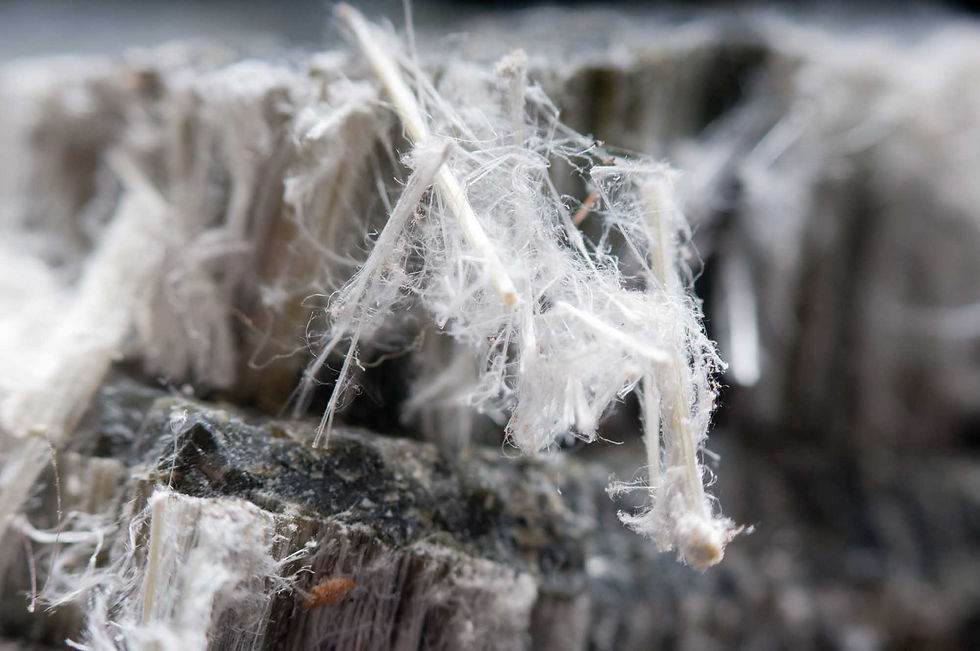
Asbestos was widely used in Montreal homes until the mid-1980s in materials that often look completely harmless. Problems arise only when these materials are cut, sanded, drilled, or removed, which releases microscopic fibers into the air. During a renovation, demolition work almost always increases that risk — especially in older houses.
Where asbestos is commonly found in Montreal homes
You may encounter asbestos in:
Plaster and joint compound (especially in layered walls from the 1940s–1970s)
9x9 floor tiles and the adhesive beneath them
Textured or “popcorn” ceilings
Ceiling tiles in basements or older drop-ceilings
Duct insulation and pipe wrap around heating systems
Vermiculite insulation in attics (common in West Island and NDG homes)
Exterior cement-board siding on pre-1980s facades
Even if these materials look intact, they can still be hazardous once disturbed.
When to test for asbestos
Homeowners should arrange testing before starting renovation work if:
Your home was built before 1985
You plan to remove walls, flooring, or ceilings
You uncover old insulation during demolition
You notice textured ceilings or unusual old tiles
You’re renovating a basement with older finishes
You’re dealing with plaster-and-lath walls
Testing is quick, and results typically come back within a few days.
What NOT to do
Do not remove or break materials to “check what’s underneath”
Do not sand or scrape old flooring or ceilings
Do not sweep or vacuum debris — it spreads fibers
Do not assume newer paint or drywall means what’s behind it is safe
What to do if asbestos is suspected:
Pause all demolition
Avoid touching or disturbing the material
Seal off the area if possible
Arrange certified testing
Follow professional recommendations — never DIY removal
MTL Contractors arranges certified asbestos testing before demolition when needed and coordinates safe removal through licensed abatement teams to ensure compliance with Quebec safety regulations.
7. Basement Flooding Linked to Montreal’s Unitary Sewer System

Basement flooding is a common hidden issue in Montreal homes, not just because of aging foundations — but because many parts of the city still rely on a unitary sewer system, where stormwater and wastewater flow through the same pipes.
During heavy rain or rapid snowmelt, the system can overload, pushing water back toward homes and causing unexpected basement flooding.
Early signs homeowners should watch for:
Musty or damp odors, even with no standing water
Efflorescence (white powder) on basement walls
Peeling paint or bubbling drywall near the floor
Rust developing on appliances or metal supports
Water marks around floor drains
Intermittent sewage smells after rainfall
These often indicate sewer backup risk, not just humidity.
Why this happens in Montreal
Basement flooding is frequently caused by:
Unitary sewer overload during heavy rainfall
Backflow through floor drains or plumbing fixtures
Failed or absent backwater valves
Aging municipal infrastructure in older neighborhoods
Higher water table in areas like NDG, Rosemont, and parts of the West Island
Poor exterior drainage increasing hydrostatic pressure on foundations
Even homes that never flooded before may experience issues as rainfall intensity increases.
What homeowners should do if they suspect a problem:
Check for a functioning backwater valve — many older homes don’t have one
Avoid renovating a basement before moisture testing
Document moisture patterns after rainfall
Inspect gutters, downspouts, and grading
Do not install new flooring over damp concrete
Trying to seal or paint over the issue will only trap moisture and lead to mold.
How MTL Contractors helps
MTL Contractors assesses basement moisture sources before renovation using tools like thermal imaging and moisture mapping. When needed, we coordinate:
Backwater valve installation (required in many boroughs)
Foundation crack repair and waterproofing
French drain upgrades and exterior drainage improvements
Sump pump and backup system installation
Addressing flooding risks early protects your investment and prevents rework after the renovation is complete.
How Hidden Defects in Montreal Homes Impact Renovation Timelines & Budgets
Hidden defects often add:
Extra labour
Additional materials
Engineering fees
Permit adjustments
Extended timelines
This is why contractors recommend a 10–20% contingency. Not because something will go wrong—but because older homes almost always hide at least one issue that needs correcting. If you would like to know more about the costs of renovating a home we invite you to read our guide for home renovation costs in Montreal explaining typical price ranges and what homeowners should budget for in 2025.
How MTL Contractors Helps Homeowners Avoid Surprises

MTL Contractors uses a structured approach designed specifically for older Montreal homes:
1. Pre-Renovation Diagnostic Checks
Moisture testing, thermal imaging, electrical panel assessments, and exploratory openings.
2. Transparent Scoping
Clear explanations of potential risks and how they may impact the project.
3. Engineering & Permits
We coordinate engineering drawings and city permits when structural or safety issues are found.
4. Safe, Code-Compliant Repairs
Licensed trades ensure all corrective work meets Quebec building standards.
5. Full Project Management
From detection to repair to reconstruction, everything is handled by one licensed, reliable team.
Hidden defects can complicate a project — but with the right preparation and an experienced contractor, they don’t have to derail your plans.
Planning a Renovation? Here’s Your Next Step
👉 Explore our Montreal Home Renovation page to see our finished renovation projects and what you can expect during planning and construction.
👉 Book a free consultation to discuss your home, your goals, and any concerns about potential hidden issues.


Recently, I’ve been discussing online gaming platforms with several friends from Canada, and we all agreed that the most important factor today is reliability rather than flashy advertising. Many gaming clubs try to attract users with large promotions, but experienced players usually care much more about secure transactions, clear policies, and stable performance. Personally, I always pay attention to how intuitive the interface feels and whether customer support seems genuinely responsive. During one of these conversations, Casino Lac Leamy was mentioned as a platform that offers a comfortable and organized experience for Canadian players. What I found interesting was that people talked more about usability and consistency than about bonuses. In my opinion, that type of feedback usually reflects a…
Stumbled onto a niche Canada conversation where users were carefully breaking down what matters in a gaming platform over time. There was a focus on usability — how smooth transitions are, whether tables are easy to read, and how consistent the interface remains across sessions. The tone stayed neutral throughout. At one point, Bob Casino was mentioned casually while discussing overall layout balance, and it didn’t stand out as a recommendation, just part of the shared